
Hello, amazing people!
As a startup founder, we often face an inconvenience: our site goes down, and our customers complain.
The existing monitoring tools are either too expensive in terms of necessity, or they are loaded with features that we do not need.
Most uptime monitoring platforms fall into one of two categories:
too complex for small teams
or too limited unless you upgrade to expensive plans
We wanted something simpler, faster, and actually useful from day one.
That became Monitoristic.
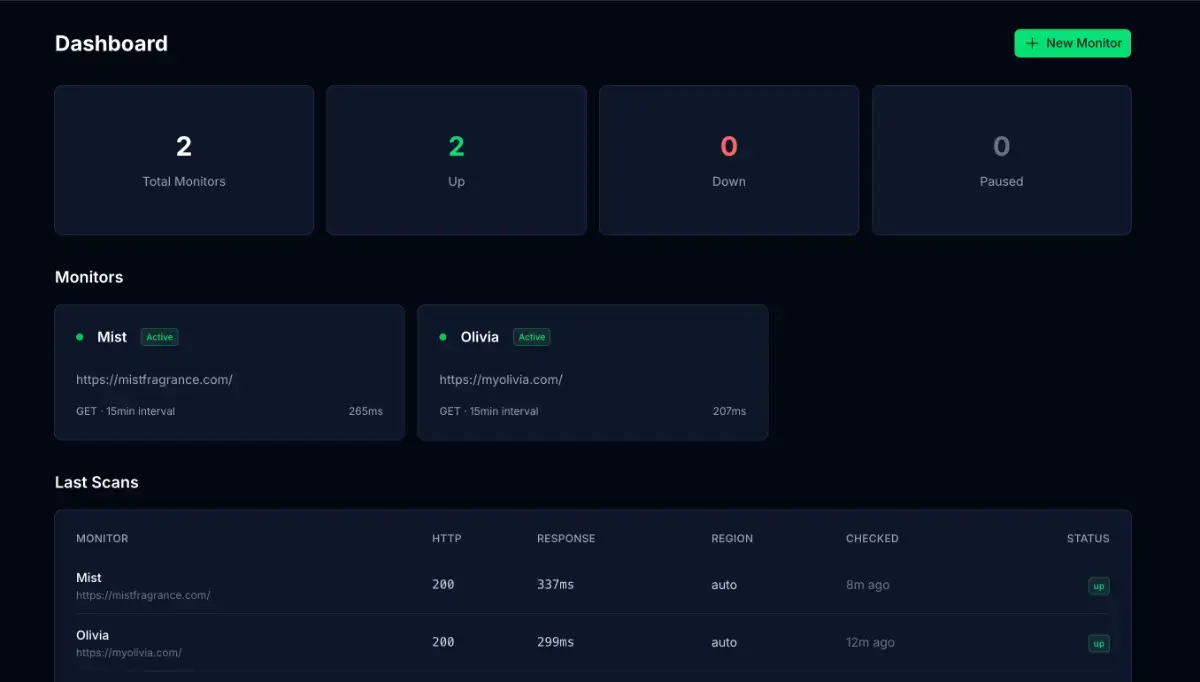
Monitoristic helps you monitor websites, APIs, SSL certificates, domains, cron jobs, and overall uptime with fast alerts, status pages, incident tracking, and performance insights — without turning monitoring into an enterprise-only experience.
While building it, our thinking evolved quite a bit.
At first, we thought uptime monitoring was mainly about checking if a website responds with a 200 status code.
But later, we realized the real challenge is confidence.
People don’t just want alerts.
They want to know:
when something breaks
whether it’s critical
how fast it happened
and how quickly they can respond
We also noticed a common frustration in the monitoring space: too many tools feel bloated, noisy, or unnecessarily complicated. Similar concerns come up often in monitoring communities and discussions around alert fatigue, complexity, and feature overload.
So we focused heavily on:
clean UX
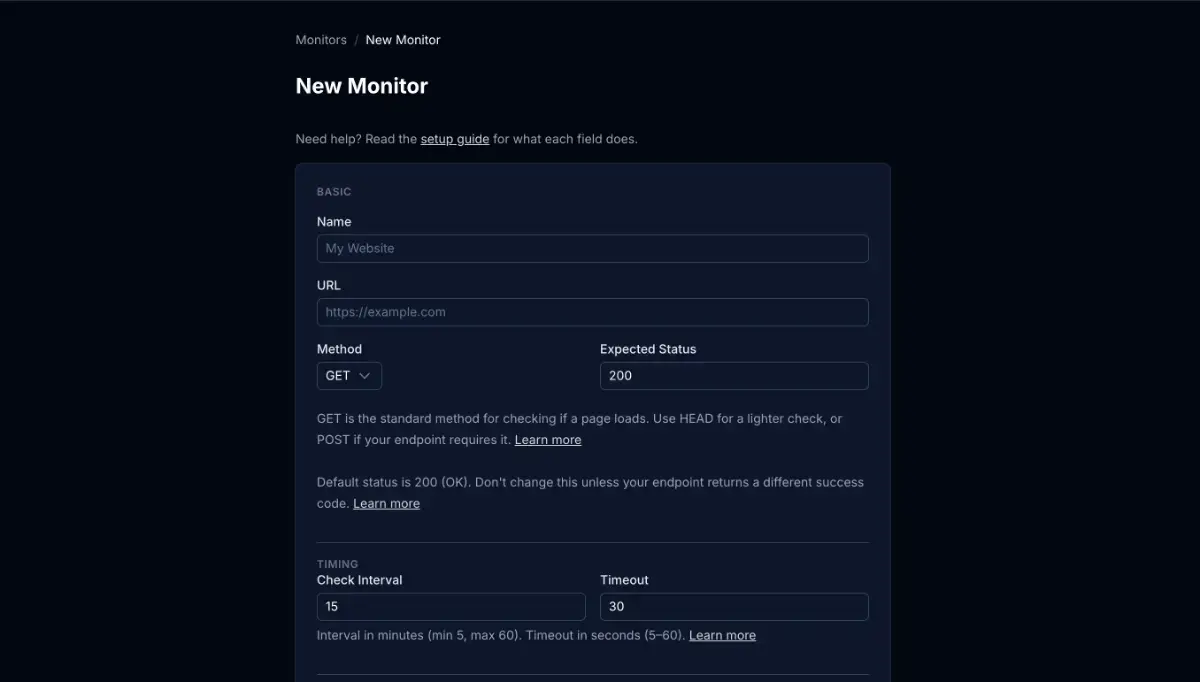
fast setup
reliable alerts
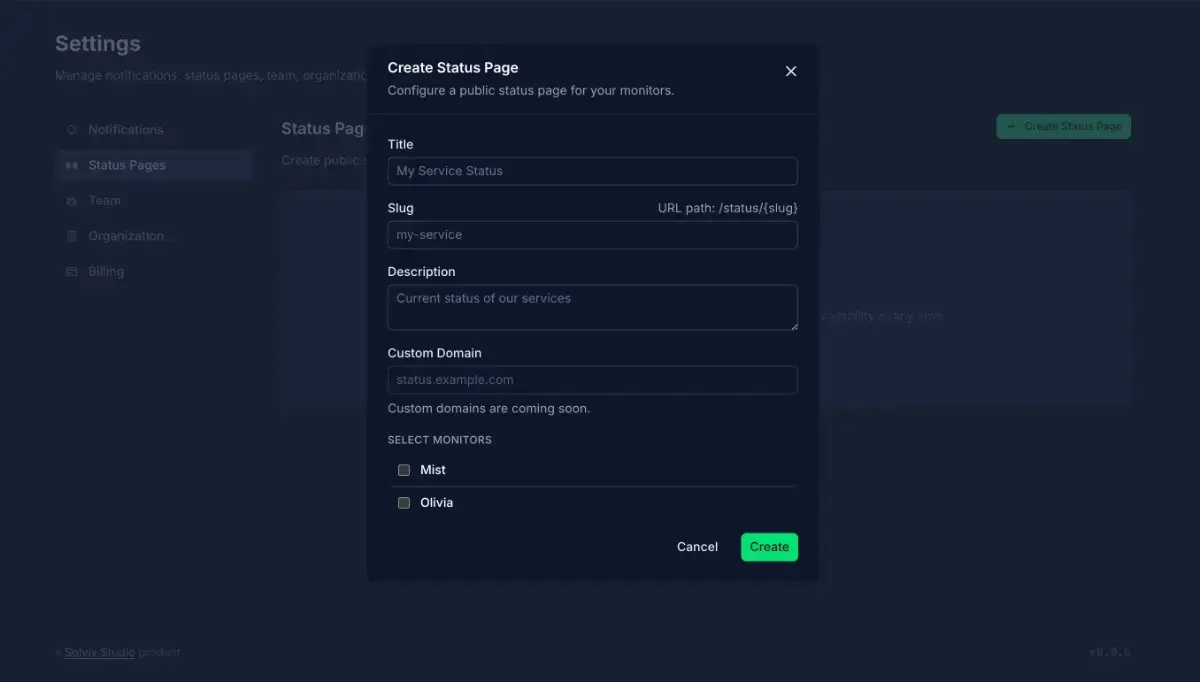
useful status pages
actionable incident tracking
simple pricing
and a monitoring experience that feels lightweight instead of overwhelming
Another important decision:
We wanted Monitoristic to feel approachable for indie hackers, startups, agencies, and small teams — not just large DevOps organizations.
No enterprise jargon.
No complicated onboarding.
Just monitoring that helps you sleep better.
Would genuinely love your feedback, criticism, ideas, or feature requests.
Happy monitoring!