
AI Lead Qualify addresses the time-intensive process of manually researching inbound business leads. The tool operates through a simple email forwarding mechanism, eliminating the need for software installation, dashboard access, or CRM integration.
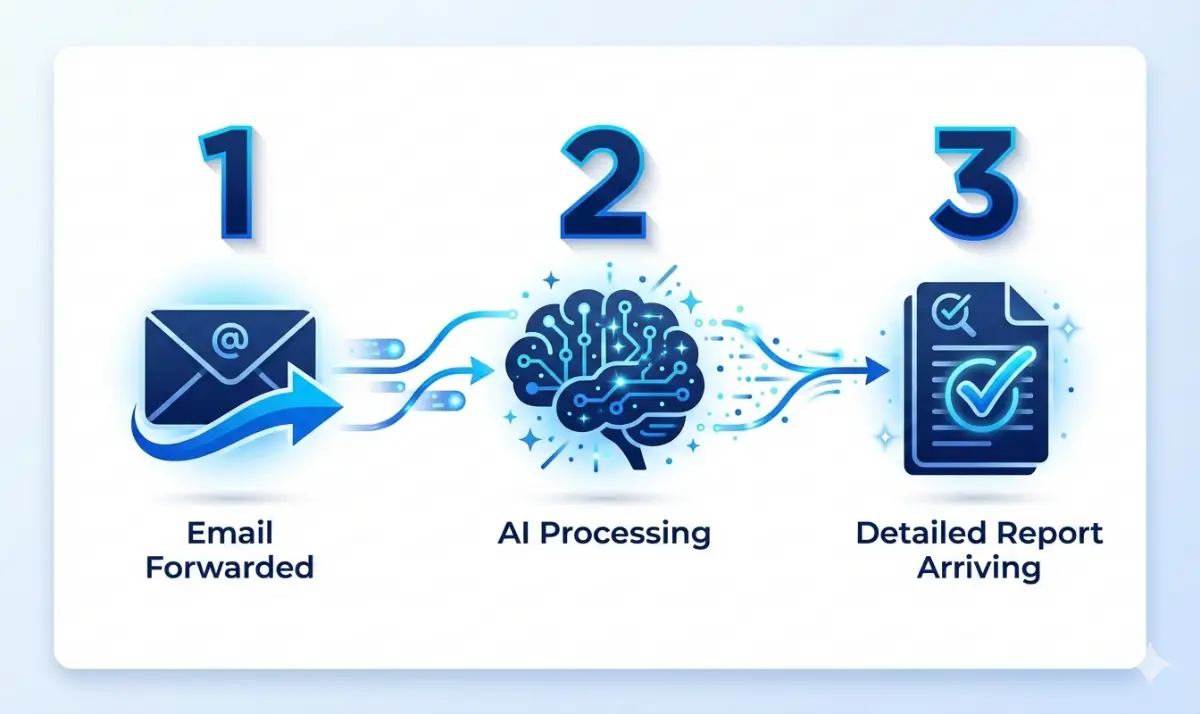
Functionality: When users receive inquiry emails from potential customers or business contacts, they forward these messages to a designated email address ([email protected]). AI agents then analyze the sender information and conduct research using publicly available data sources. Within approximately 15-30 seconds, users receive a formatted brief containing the contact's professional role, company details, recent business news, and an AI-generated fit score indicating potential relevance.
Technical Approach: The system extracts sender information from forwarded emails and queries multiple public data sources including professional networking platforms, company websites, news archives, and business databases. Results are compiled into structured reports delivered via email response. The service does not permanently retain full email content, storing only extracted lead data and research findings.
Target Use Cases: The tool serves solo entrepreneurs, small business owners, and compact sales teams (typically 1-20 people) who handle moderate lead volumes (10-50 monthly inquiries) but lack resources for enterprise-grade sales intelligence platforms. Common applications include SaaS demo request qualification, consulting client assessment, and agency prospect prioritization.
Pricing Structure:
Free tier: 5 lead analyses per email address monthly, no account required
Pro plan: $9 monthly for 50 leads with enhanced research depth
Enterprise tier: Custom pricing with API access (planned release)
Distinguishing Characteristics: Unlike dashboard-based lead enrichment platforms, this service operates entirely through email, requiring no user interface navigation or technical configuration. The email-only approach reduces friction for users preferring minimal tool adoption. The pricing positions it below enterprise solutions ($149-$15,000 annually) while offering more automation than manual research methods.
Privacy features include encryption standards, data deletion options, and limited data retention policies outlined in published terms of service.